
Common Pest Control Problems in St. Albans
St. Albans sits along the Kanawha River in Putnam County, where humid summers and mild winters create year-round pest pressure. The river valley geography traps moisture, and the area's mature neighborhoods with established tree canopies provide ideal habitat for carpenter ants, termites, and rodents seeking shelter.
Homeowners near the river and Coal River tributaries frequently encounter moisture-loving pests—silverfish, centipedes, and springtails thrive in crawl spaces and basements with elevated humidity. The wooded hillsides backing many St. Albans subdivisions bring deer mice and field mice into attics and garages as temperatures drop in late fall.
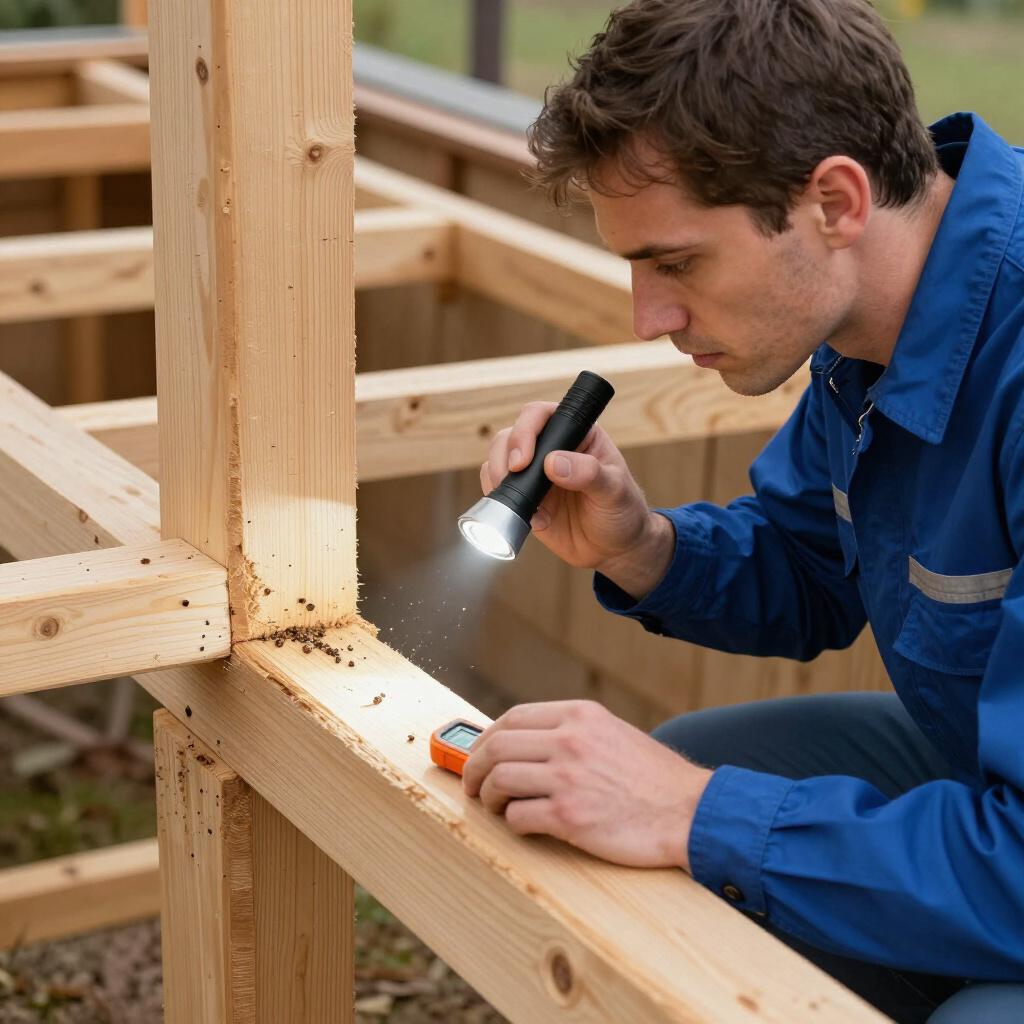
Subterranean termites represent the most financially significant threat. Putnam County's clay-heavy soil and abundant rainfall keep colonies active and expanding. Many St. Albans homes built before 1990 lack modern pretreatment barriers, leaving them vulnerable to hidden damage that often goes unnoticed until structural issues appear.
Outdoor living spaces face their own challenges. Mosquitoes breed in standing water along the river's edge and in poorly drained yards. Ticks carried by white-tailed deer populate the brushy areas surrounding the city's perimeter neighborhoods. Fire ants have established colonies in sunny, disturbed soils throughout the region.
How We Help St. Albans Homeowners
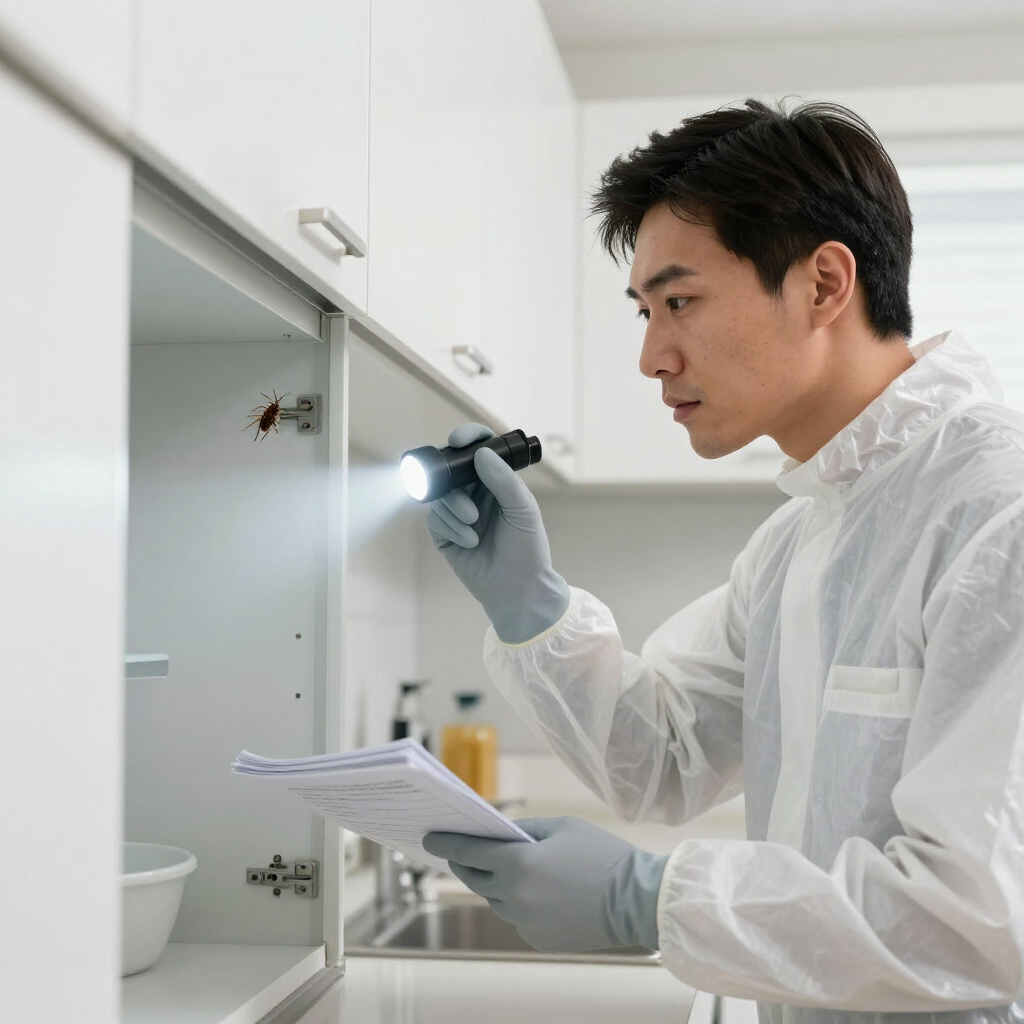
Our approach begins with understanding St. Albans' specific environmental conditions. We inspect for river valley moisture patterns, identify tree-to-structure contact points common in older neighborhoods, and assess termite risk based on soil composition and construction era.
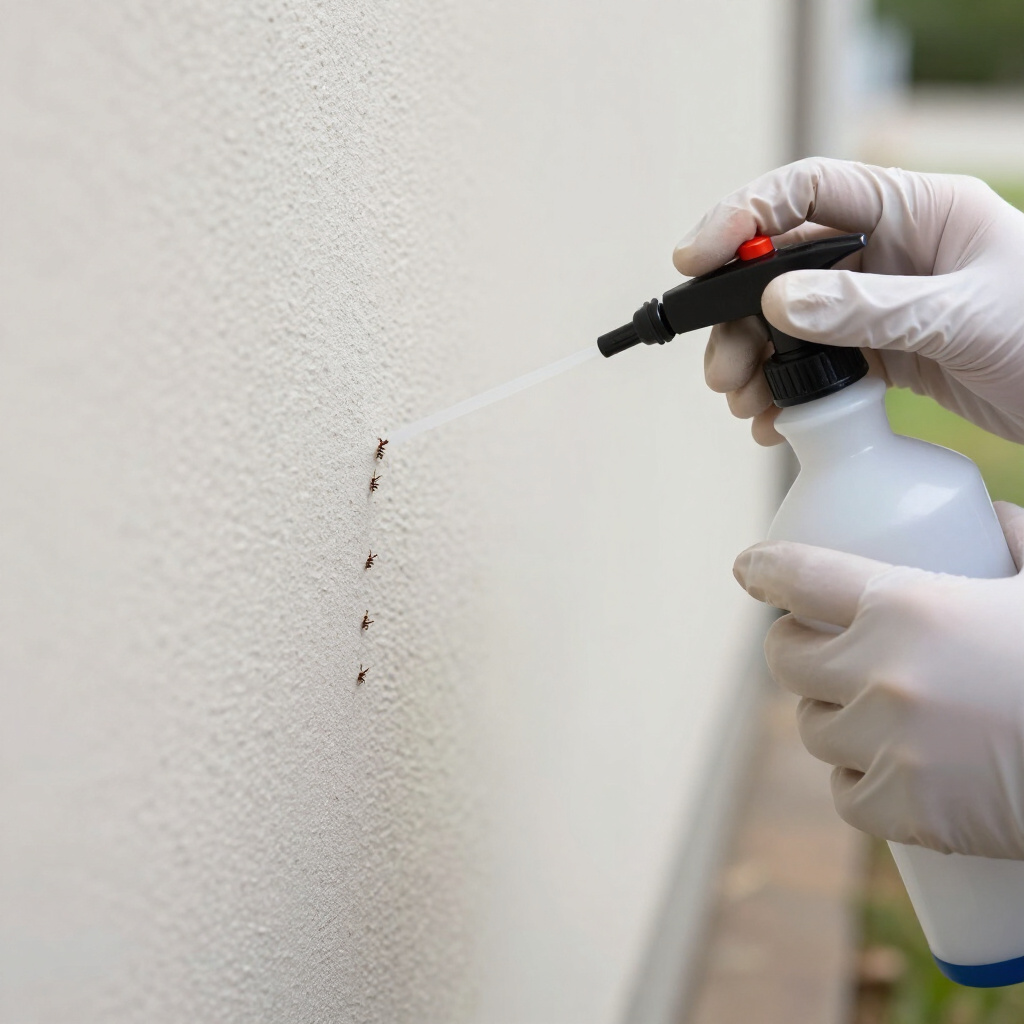
For active infestations, we deploy targeted treatments rather than blanket applications. This means precision baiting for termite colonies, rodent entry point sealing with exclusion work, and crack-and-crevice applications for ant trails rather than broadcast spraying throughout living spaces.
Prevention-focused customers receive seasonal protection plans calibrated to Putnam County's pest calendar: early spring termite swarm monitoring, summer mosquito and tick yard treatments, fall rodent exclusion before migration begins, and winter spider and overwintering pest interior perimeters.
Pest Control Services Available in St. Albans
- Termite Control — Liquid barrier treatments, baiting systems, and pre-purchase inspections with WDI reports required by most lenders
- General Pest Control — Ants, spiders, roaches, silverfish, and occasional invaders with interior and exterior protection
- Rodent Control — Mice and rat trapping, entry point exclusion, and ongoing monitoring for recurring activity
- Mosquito & Tick Reduction — Monthly yard treatments during peak season targeting breeding and harborage areas
- Bed Bug Elimination — Heat remediation and targeted chemical protocols for residential and multi-unit properties
- Moisture Pest Management — Specialized treatments for crawl spaces and basements addressing centipedes, millipedes, and springtails
Pest Control Pricing in the St. Albans Area
Pest control costs in St. Albans reflect property size, infestation severity, and service frequency. Most homeowners in Putnam County can expect:
- General pest quarterly plans: $85–$125 per treatment for average single-family homes
- Termite protection: $800–$1,500 for initial treatment with annual renewal fees of $150–$300
- Rodent control: $250–$450 for initial service including exclusion work, with follow-up visits priced separately
- One-time mosquito treatments: $75–$150 per application depending on yard size
Homes closer to the river or with significant tree coverage may require modified pricing due to elevated pest pressure. We provide written estimates after inspection rather than quoting sight-unseen.
Frequently Asked Questions
How quickly can you respond to pest problems in St. Albans?
We typically schedule St. Albans appointments within 24–48 hours. Emergency situations involving stinging insects or severe rodent activity receive same-day priority when possible.
Are your treatments safe for pets and children?
Yes. We use EPA-registered products applied according to label specifications. We provide specific re-entry timing for each treatment and focus applications on pest harborage areas rather than open living spaces.
Do I need termite protection if my home was treated during construction?
Pre-treatments degrade over time, typically providing 5–10 years of protection. If your St. Albans home was built before 2010 or the treatment history is unknown, a termite inspection and protection plan is strongly recommended.
Why do I see more pests after rain?
Heavy rainfall drives ground-dwelling pests like ants, spiders, and rodents to seek higher, drier ground. Saturated soil also forces subterranean termites closer to foundation wood. This is normal river valley behavior and often indicates where exclusion improvements are needed.