
Common Pest Control Problems in South Charleston
Living in South Charleston means dealing with pest pressures that come with Kanawha County's humid subtropical climate and the area's mix of residential neighborhoods, commercial corridors, and proximity to the Kanawha River. Homeowners here face distinct challenges throughout the year.
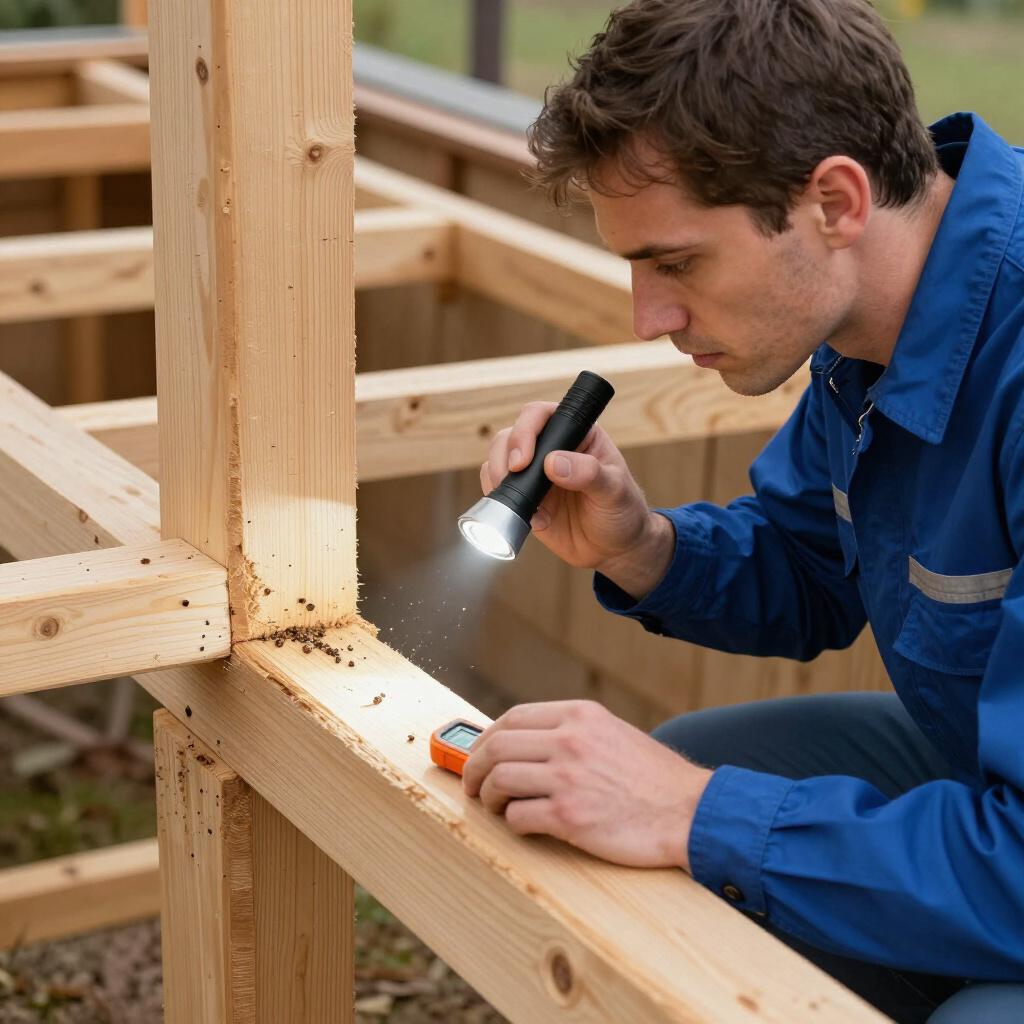
Termites rank among the most destructive threats to South Charleston properties. Eastern subterranean termites thrive in West Virginia's moisture-rich soil, silently compromising wooden structures from the ground up. Many residents don't discover infestations until significant damage has occurred, particularly in older homes near the Spring Hill and Edgewood neighborhoods.
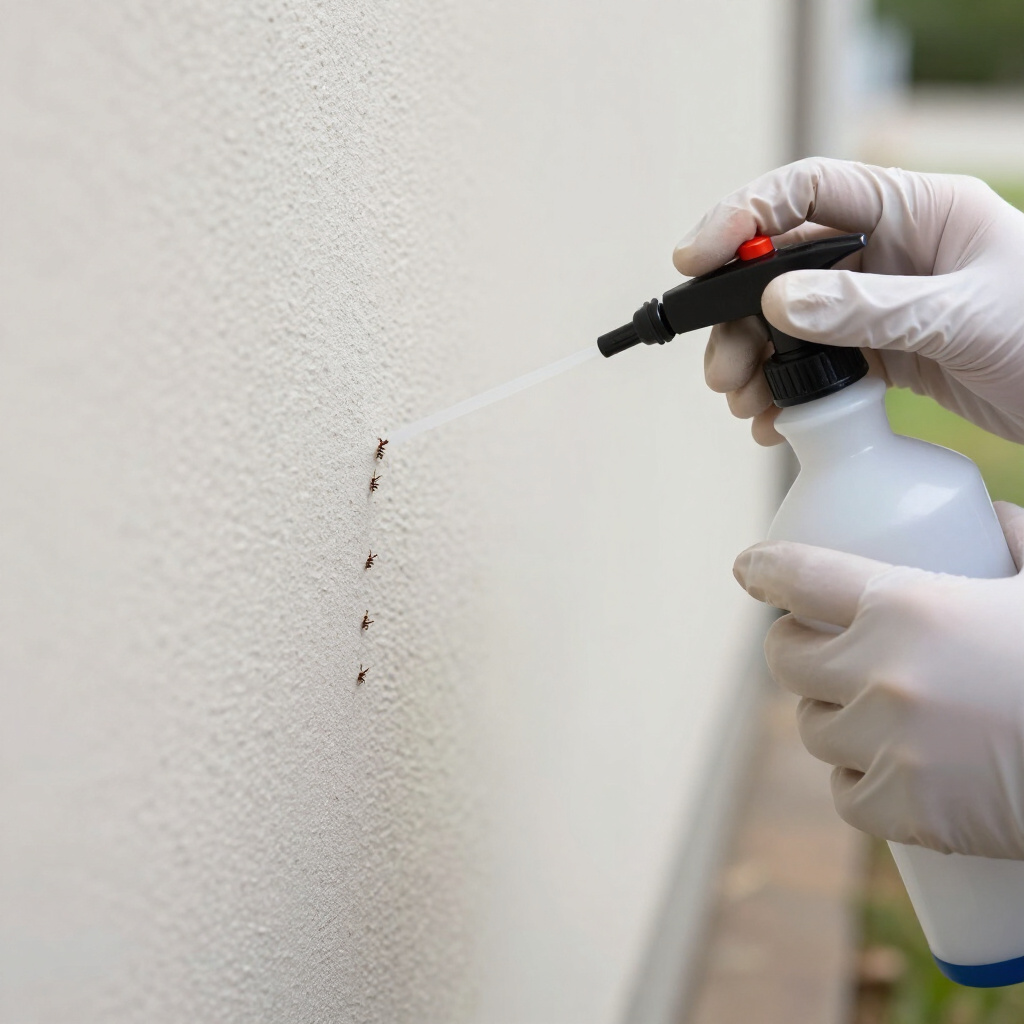
Ant problems escalate rapidly during spring and summer months. Pavement ants invade through foundation cracks, while odorous house ants contaminate food supplies in kitchens. The area's mature tree canopy provides ideal harborage for carpenter ants, which excavate galleries in damp or decaying wood.
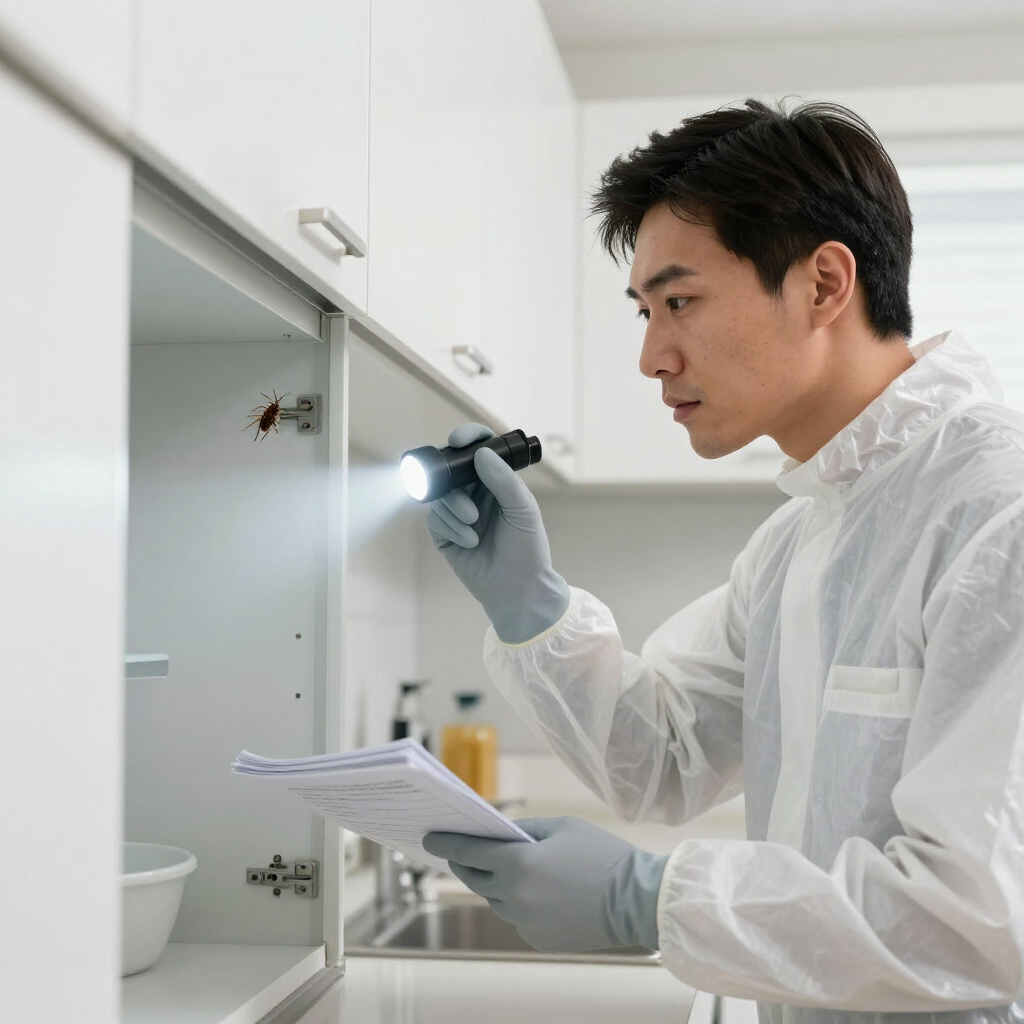
Spider activity increases noticeably in basements, crawl spaces, and garages across South Charleston. Wolf spiders and house spiders are common, though brown recluse encounters require particular vigilance given their medically significant bite. Rodent pressures intensify as temperatures drop, with mice and rats seeking shelter in attics and wall voids, especially in properties near the industrial zones along MacCorkle Avenue.
Mosquito breeding near standing water sources—including the Kanawha River tributaries and residential ponds—creates persistent outdoor nuisances and potential disease vector concerns. Stinging insects such as yellow jackets and paper wasps frequently nest in eaves, soffits, and landscaping.
How We Help South Charleston Homeowners
Effective pest management in South Charleston requires understanding local building stock, soil conditions, and seasonal pest patterns. Our approach begins with comprehensive property inspections that identify current activity, conducive conditions, and potential entry points specific to your home's construction and surroundings.
We develop targeted treatment plans rather than applying generic solutions. For termite protection, this means deploying liquid barrier treatments or baiting systems suited to your property's foundation type and soil composition. Ant management addresses both the visible foragers and the hidden colonies through strategic baiting and perimeter applications.
Rodent control combines exclusion work—sealing entry points as small as a quarter-inch—with population reduction and monitoring. Spider management focuses on habitat modification, web removal, and precise applications to harborage areas. Each service includes ongoing monitoring and follow-up visits to ensure lasting results.
We coordinate treatments around your schedule and communicate clearly about preparation requirements, safety considerations, and expected outcomes. Our technicians are familiar with South Charleston's varied housing stock, from mid-century ranch homes to newer construction in developing areas.
Pest Control Services Available in South Charleston
- Termite inspection, treatment, and prevention programs
- Ant control for pavement ants, carpenter ants, and odorous house ants
- Spider control and web removal services
- Rodent exclusion, trapping, and population management
- Mosquito reduction treatments for residential properties
- Stinging insect nest removal and prevention
- General household pest management programs
- Commercial pest control for restaurants, offices, and retail
- Pre-construction termite treatments
- Real estate inspection reports (WDI reports)
Pest Control Pricing in the South Charleston Area
Pest control costs in South Charleston vary based on pest type, infestation severity, property size, and treatment approach. Understanding typical pricing helps homeowners budget appropriately and recognize value in professional services.
General pest control maintenance plans for average-sized South Charleston homes typically range from $35 to $55 monthly, with quarterly options available between $90 and $150 per visit. These programs cover common invaders including ants, spiders, and occasional invaders with scheduled exterior treatments and interior coverage as needed.
Termite treatment represents a more significant investment, generally between $800 and $2,500 for conventional liquid barrier protection depending on linear footage and foundation complexity. Baiting system installations start around $1,200 with ongoing monitoring fees. Annual termite inspection and renewal programs typically cost $200 to $400 yearly.
Single-service treatments for specific issues—rodent control, wasp nest removal, or targeted ant elimination—range from $150 to $400. Severe infestations requiring intensive intervention or multiple follow-up visits may exceed these baseline figures. We provide detailed written estimates following inspection, with no obligation to proceed.
Frequently Asked Questions
How often should South Charleston homes receive pest control treatments?
Quarterly maintenance service suits most South Charleston properties, addressing the region's extended warm season and overwintering pest pressures. Homes with historical termite activity, moisture issues, or proximity to wooded areas may benefit from monthly service during peak activity periods.
Are pest control treatments safe for families with children and pets?
Modern application techniques and product formulations minimize risk to occupants. We apply targeted treatments to specific harborage areas rather than broadcasting chemicals throughout living spaces. Following treatment, we provide specific re-entry timelines and precautions based on products used.
What signs indicate termite activity in South Charleston homes?
Watch for mud tubes on foundation walls, hollow-sounding wood, discarded wings near windowsills, and unexplained wood damage. South Charleston's clay-heavy soil and seasonal moisture fluctuations create favorable conditions for subterranean termite foraging—annual professional inspection remains the most reliable detection method.
Can I handle pest problems myself or should I call a professional?
DIY methods occasionally resolve minor, isolated issues but often fail with established infestations or structural pests like termites and carpenter ants. Professional service provides proper species identification, targeted treatment selection, and warranty protection that over-the-counter products cannot match—particularly important for preserving property value and preventing recurring problems.