
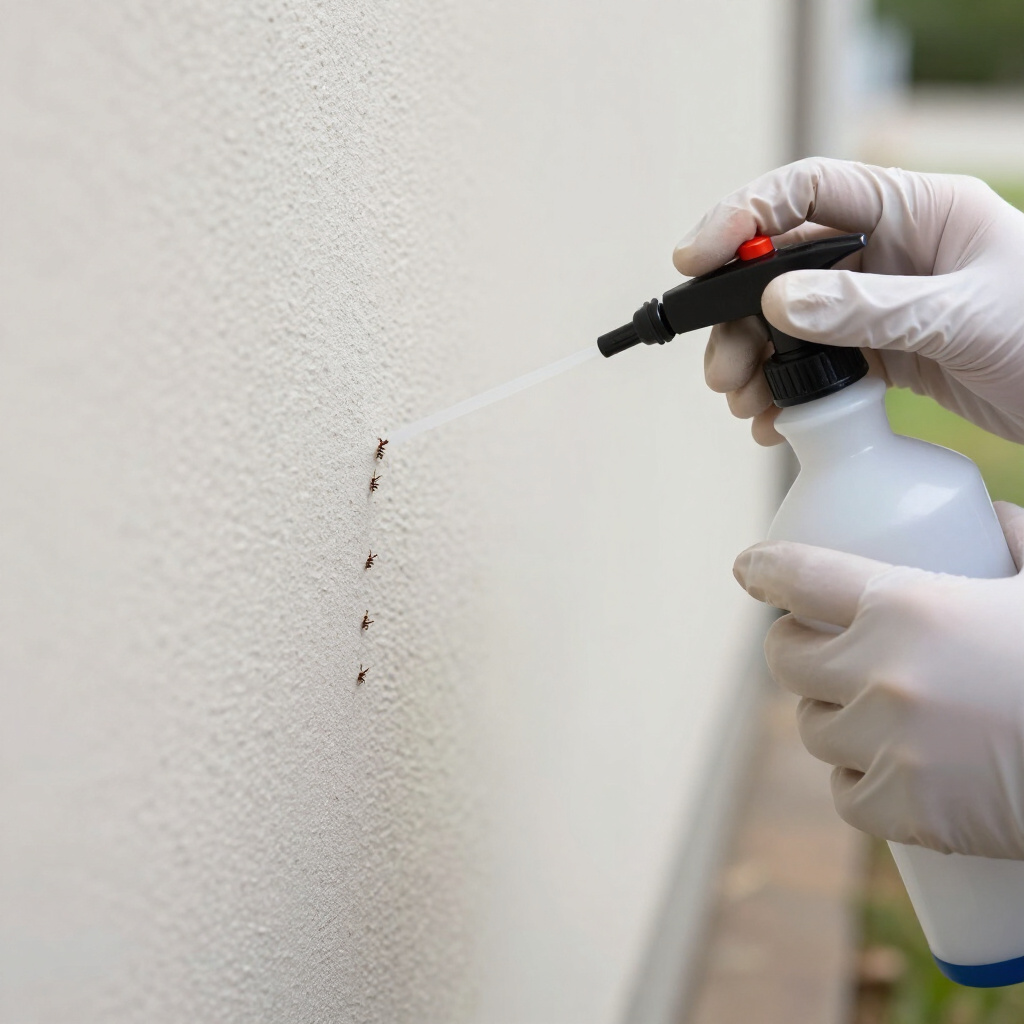


You've spotted something skittering across the kitchen floor at midnight. Or maybe you've noticed mysterious holes in your garden, chewed wires in the garage, or a faint musty smell that just won't go away. The question rattles around in your mind: can I handle this myself, or is it time to bring in reinforcements? Knowing when to call a pest control professional can save you money, protect your health, and prevent a small inconvenience from exploding into a full-blown infestation.
When to Call a Pest Control Professional: Clear Warning Signs
Some pest situations demand expert intervention immediately. If you're seeing live pests during daylight hours—particularly rodents, cockroaches, or termites—this signals a population large enough that they're competing for hiding spots. Nocturnal creatures forced out into the open mean the problem has already escalated beyond what store-bought solutions can manage.
Structural damage is another non-negotiable trigger. Sagging floors, hollow-sounding wood, mud tubes along your foundation, or discarded wings near windowsills indicate termite activity that requires specialized treatment. Attempting DIY termite control almost always results in continued destruction hidden behind walls, where you'll discover the true extent of damage far too late.
Recurring problems despite your best efforts strongly suggest you're treating symptoms rather than causes. Maybe you've deployed traps, sealed obvious entry points, and kept a spotless kitchen, yet ants keep marching in formation or mice continue appearing. Pest control professionals possess training to identify hidden attractants, subtle entry pathways, and nesting sites that untrained eyes miss entirely.
Health concerns should accelerate your decision significantly. Bed bugs cause sleeplessness and skin infections from scratching. Rodents spread hantavirus and salmonella through droppings. Cockroaches trigger asthma attacks and allergic reactions, particularly in children. When your family's wellbeing hangs in the balance, professional-grade solutions applied with proper safety protocols become essential rather than optional.
Situations Where DIY Methods Fall Short
The hardware store aisle overflows with tempting promises—ultrasonic repellents, bait stations, fogging bombs, and natural sprays. These products serve legitimate purposes for genuinely minor issues: a single stray ant, an occasional spider, or a wasp nest visible and accessible on your porch eave. However, certain scenarios expose the limitations of consumer-grade approaches.
Widespread infestations require coordinated, multi-point strategies that over-the-counter products simply cannot deliver. German cockroaches, for instance, reproduce so rapidly that killing visible adults while missing egg cases ensures reinfestation within weeks. Professionals employ insect growth regulators, targeted baiting systems, and monitoring protocols that interrupt reproductive cycles comprehensively.
Hidden or inaccessible nests present another DIY barrier. Carpenter ants tunneling through wall voids, honeybees established within soffits, or yellowjackets nesting underground demand precise location and specialized equipment. Without proper identification and access, homeowners often drive pests deeper into structures or provoke dangerous defensive swarms.
Integrated pest management—the gold standard in professional practice—combines biological knowledge, environmental modification, and judicious chemical application. This holistic approach addresses why pests arrived initially and how to make your property fundamentally unattractive to them. DIY methods typically offer only reactive killing without preventive architecture.
Key Tips for Choosing the Right Professional
Once you've determined when to call a pest control professional, selecting qualified help matters enormously. Start with proper credentials: legitimate operators carry state-required licenses, maintain liability insurance, and employ technicians with current certifications. Don't hesitate to request documentation—reputable companies provide this transparently.
Seek detailed inspection processes over phone quotes. Ethical professionals visit your property, identify the specific pest species, assess infestation scope, and explain treatment options before proposing solutions. Be wary of anyone promising instant eradication or pushing annual contracts without demonstrating active problems. Quality pest management emphasizes solving issues efficiently rather than locking you into perpetual service.
Ask about treatment methodologies and safety protocols. Modern pest control increasingly prioritizes targeted, low-toxicity approaches over blanket spraying. Understand what preparations you'll need to make, how long treatments take to work, and what follow-up monitoring includes. Clear communication distinguishes true professionals from spray-and-pray operators.
Review guarantees carefully but realistically. Effective pest control sometimes requires multiple visits, particularly for established infestations. The best professionals stand behind their work with reasonable retreatment policies while being honest about challenging species or severe situations that may need extended management.
Final Thoughts
Recognizing when to call a pest control professional ultimately protects your largest investment—your home—while safeguarding the people and pets who live there. Minor, isolated pest sightings often respond well to vigilant homeowners armed with knowledge and appropriate retail products. However, persistent activity, structural damage indicators, health-threatening species, or any situation where your efforts repeatedly fail signal unmistakably that expert assistance serves your best interests.
The most costly approach to pest management is delaying professional intervention until damage becomes extensive or infestations spread throughout your property. Early partnership with qualified pest control specialists typically resolves problems faster, more completely, and with less overall expense than prolonged struggle followed by eventual professional engagement anyway. Trust your observations, respect your limits, and act decisively when warning signs appear—your future self will thank you for the prompt, prudent decision.