
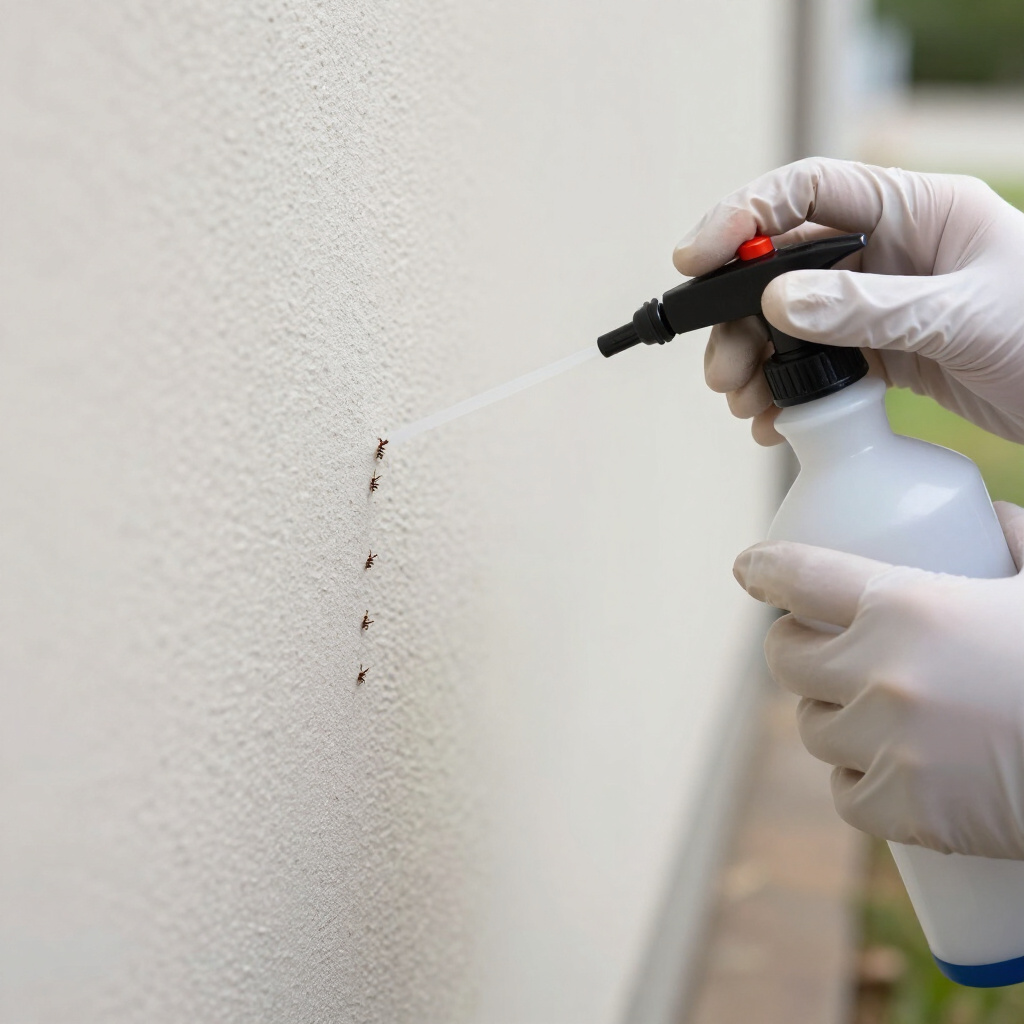

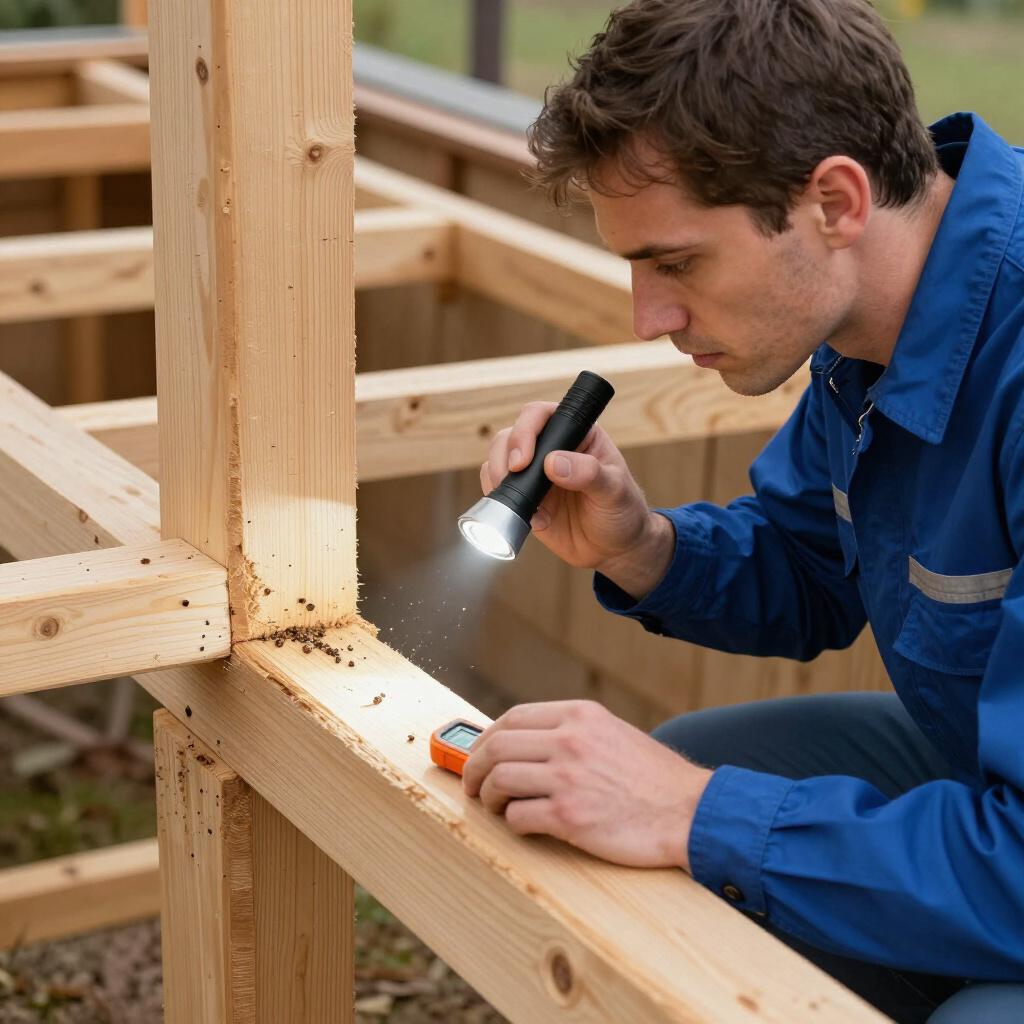
Termites are often called "silent destroyers" for good reason. These tiny pests can chew through wood, flooring, and even wallpaper undetected for months or years, causing extensive damage before you ever realize they're there. Knowing the warning signs of a termite infestation can save you thousands of dollars in repairs and protect the structural integrity of your home. Whether you're a new homeowner or have lived in your house for decades, staying vigilant is your best defense.
Signs You May Have Termites: What to Watch For
The early signs of termites are easy to miss if you don't know what to look for. Subterranean termites, the most common type in the United States, build mud tubes to travel between their colony and food sources. These pencil-thin tunnels on foundation walls, crawl spaces, or exterior surfaces are a telltale indicator of termite activity. Drywood termites, on the other hand, leave behind small piles of frass—wood-colored droppings that resemble sawdust or coffee grounds—near window sills, door frames, or baseboards.
Another subtle but important sign is hollow-sounding wood. Tap on wooden structures around your home; if they sound papery or hollow, termites may have eaten away the interior while leaving the outer shell intact. You might also notice buckling paint, tiny holes in drywall, or sagging floors and ceilings. These symptoms often mimic water damage, which is why many homeowners delay treatment—only to discover the real culprit is much worse.
Swarming season brings its own obvious warnings. Winged termites, called swarmers, emerge in spring to establish new colonies. Finding discarded wings near windows, doors, or light fixtures is a strong indication that a mature colony is nearby. Even seeing a few swarmers indoors suggests that termites have already breached your home's defenses.
Structural and Environmental Clues
Beyond the direct evidence of termite presence, certain conditions around your property make infestation more likely—and worth investigating. Excessive moisture is termites' best friend. Leaky pipes, poor drainage, clogged gutters, and wood-to-soil contact all create ideal environments for colonies to thrive. If your home has experienced recent flooding or you notice persistently damp areas in your basement or crawl space, a professional inspection becomes especially prudent.
Pay attention to your landscaping as well. Mulch beds placed directly against your foundation, firewood stacked near exterior walls, and dead tree stumps or rotting fencing all serve as bridge points and food sources for foraging termites. Overgrown vegetation that traps moisture against siding can also mask early entry points. Regular yard maintenance isn't just about curb appeal—it's a legitimate form of pest prevention.
Older homes aren't the only ones at risk. New construction with leftover construction debris in the soil, homes with slab foundations, and properties with minimal clearance between soil and wooden structural elements can all harbor hidden infestations. Don't assume your home's age or build style makes you immune.
Key Tips for Protecting Your Home
Prevention and early detection go hand in hand. Schedule annual termite inspections with a licensed pest control professional, even if you haven't noticed any warning signs. These experts know where to look and can identify activity that untrained eyes miss entirely. Many companies offer monitoring systems and bait stations that provide ongoing protection and early alerts.
Make your property less inviting by addressing moisture issues promptly. Repair leaking faucets, improve ventilation in crawl spaces, and ensure your gutters direct water well away from the foundation. Replace any wood that shows signs of rot, and maintain at least a six-inch gap between soil and any wooden portions of your home's exterior.
If you do discover signs you may have termites, resist the urge to handle treatment yourself. Over-the-counter solutions rarely eliminate entire colonies and may simply drive termites deeper into hidden areas, making professional treatment more complex and costly later. Document what you've observed with photos, then contact a reputable pest control company immediately. The faster you respond, the more damage you can prevent.
Final Thoughts
Termites don't announce their arrival with obvious fanfare, but they do leave traces for observant homeowners to find. From mud tubes and discarded wings to hollow wood and unexplained structural changes, recognizing these signals empowers you to act before catastrophic damage occurs. Combine vigilance with professional support, and you can keep these destructive pests from turning your home into their next meal. When in doubt, trust your instincts and call for an inspection—peace of mind is always worth the investment.