
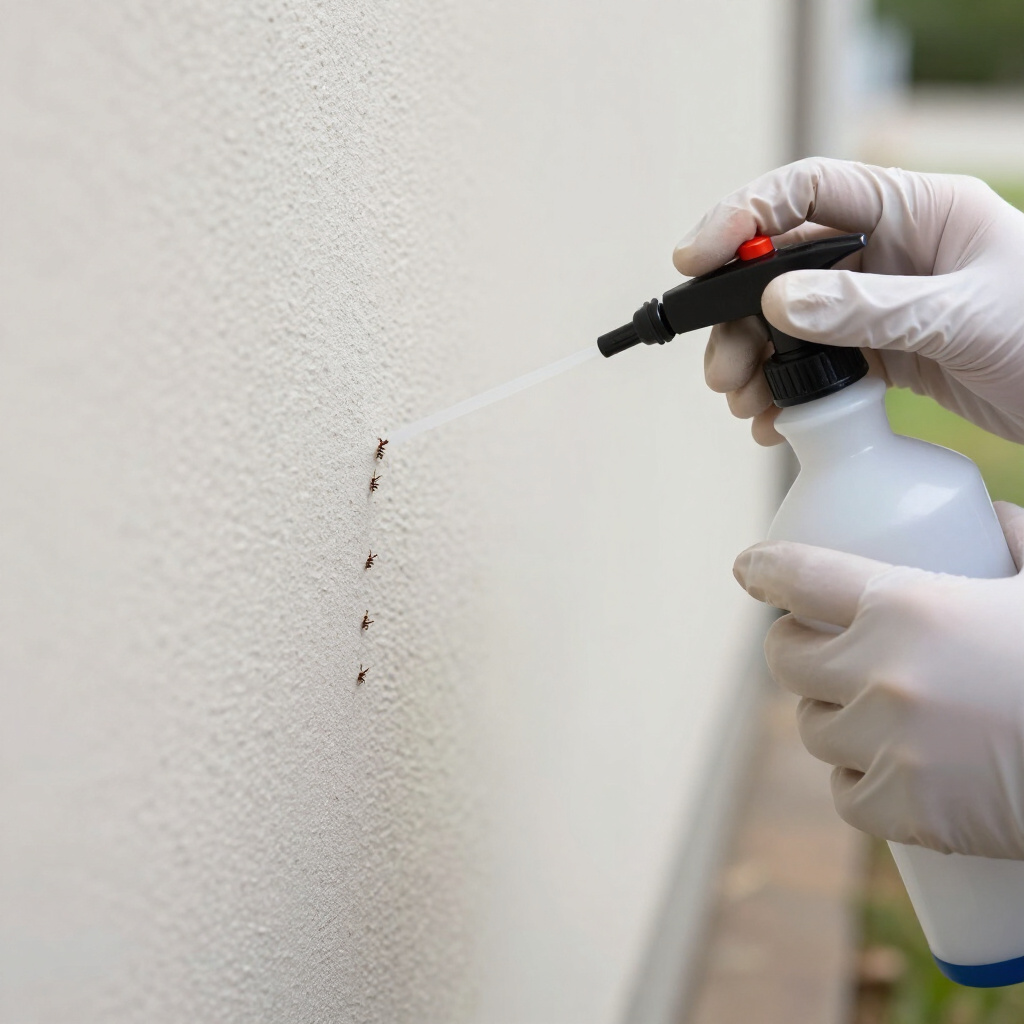


Pests don't take vacations. While you're enjoying the changing seasons, rodents, insects, and other unwanted visitors are constantly searching for food, water, and shelter inside your home. The key to keeping them out isn't just reacting when you spot a problem—it's staying one step ahead with a proactive seasonal pest control checklist. By adjusting your prevention strategy throughout the year, you can protect your home, your health, and your peace of mind no matter what the weather brings.
Why a Seasonal Pest Control Checklist Matters
A seasonal pest control checklist gives homeowners a practical, year-round framework for prevention rather than panic. Pests behave differently depending on temperature, moisture levels, and breeding cycles. What threatens your home in spring differs dramatically from winter's challenges. Without seasonal awareness, you might miss critical windows when pests are most vulnerable—or most determined to invade.
Spring brings termite swarms and awakening ants. Summer delivers mosquitoes, wasps, and relentless cockroach activity. Fall triggers rodent migration indoors as temperatures drop. Winter lures spiders, silverfish, and overwintering stink bugs into your warm, quiet spaces. Each season demands specific actions, and a well-timed checklist ensures you're never caught off guard.
Beyond convenience, seasonal prevention saves money. Catching vulnerabilities early—before an infestation establishes—means simpler treatments and less damage. A small gap in your foundation sealed in autumn prevents a mice colony from settling before Christmas. Removing standing water in March eliminates mosquito breeding grounds before peak summer.
Your Season-by-Season Pest Control Checklist
Spring: Inspect, Seal, and Prepare
As temperatures rise, pests emerge from dormancy with voracious appetites and active colonies. Start your seasonal pest control checklist by examining your home's exterior. Walk the perimeter and look for cracks in foundations, gaps around utility lines, damaged window screens, and deteriorating door sweeps. Seal any opening larger than a quarter-inch—mice squeeze through remarkably small spaces.
Pay special attention to moisture control. Clean gutters thoroughly, ensure downspouts direct water away from your foundation, and fix any leaky outdoor faucets. Termites and carpenter ants thrive in damp wood, so eliminate wood-to-soil contact where possible. Store firewood at least twenty feet from your home and elevate it off the ground.
Inside, declutter storage areas and inspect basements and crawl spaces for signs of winter pest activity. Look for droppings, gnaw marks, shed wings, or mud tubes along walls. If you discover concerning evidence, contact a professional before populations explode in the warming weather.
Summer: Maintain Vigilance Outdoors
Summer's heat drives many pests to peak activity. Your seasonal pest control checklist should emphasize outdoor maintenance and food source elimination. Keep garbage in sealed containers with tight-fitting lids, clean grills after each use, and never leave pet food outside overnight. These simple habits remove the attractants that draw pests toward your home.
Mosquito management requires weekly attention. Empty birdbaths, flowerpot saucers, clogged gutters, and any container holding stagnant water. For ornamental ponds, consider mosquito dunks containing Bacillus thuringiensis, a natural larvicide safe for fish and wildlife. Trim back overgrown vegetation where mosquitoes and ticks rest during hot daylight hours.
Wasps and hornets build nests in eaves, sheds, and trees. Inspect these areas monthly and address small nests early—before they grow large and defensive. If you're allergic to stings or uncomfortable working at heights, hire a professional rather than risking a dangerous encounter.
Fall: Block Entry Points Before the Rush
Fall represents perhaps the most critical season for prevention. As temperatures drop, rodents, box elder bugs, cluster flies, and stink bugs seek winter shelter with increasing urgency. Your seasonal pest control checklist must prioritize exclusion during this narrow window.
Install door sweeps on all exterior doors, including garage access. Repair damaged screens and consider adding fine mesh over attic vents, chimney openings, and crawl space entries. Use steel wool or copper mesh to block gaps around pipes—rodents cannot chew through these materials. Trim tree branches and shrubs away from your roofline to eliminate bridges pests use to access upper entry points.
Inside, organize pantry items in sealed glass or sturdy plastic containers. Fall pantry pests like Indian meal moths and grain beetles hitchhike home in infested grocery products. Proper storage prevents a single contaminated bag of flour from spawning a widespread kitchen infestation.
Winter: Monitor and Maintain Defenses
Cold weather doesn't eliminate pest problems—it shifts them indoors. Your seasonal pest control checklist during winter focuses on early detection and moisture management. Check basements, attics, and utility rooms regularly for signs of rodent activity: fresh droppings, gnawed packaging, or greasy rub marks along baseboards.
Reduce humidity with dehumidifiers in damp areas. Silverfish, springtails, and mold mites flourish in moist environments, and winter's closed windows trap humidity inside. Ensure bathroom exhaust fans vent properly and run kitchen vents while cooking. Even moderate humidity reduction makes your home significantly less hospitable to moisture-dependent pests.
Resist the temptation to store holiday decorations in cardboard boxes in attics or garages. Use sealed plastic containers instead, and inspect stored items before bringing them into living spaces. That artificial wreath or box of ornaments may harbor spiders, silverfish, or rodent nesting material from its months in storage.
Key Tips for Effective Year-Round Protection
Consistency separates successful pest management from frustrating cycles of infestation and reaction. Schedule quarterly reminders on your calendar to review your seasonal pest control checklist and address the relevant tasks. Consider professional inspections annually—experienced technicians spot vulnerabilities homeowners routinely miss, from subtle termite evidence to hidden moisture intrusion.
Choose integrated pest management approaches that minimize unnecessary chemical treatments. Physical barriers, habitat modification, and biological controls often resolve issues effectively while protecting children, pets, and beneficial insects like pollinators. When pesticides become necessary, targeted applications by qualified professionals deliver better results with less environmental impact than broad-spectrum DIY spraying.
Document your efforts. Keep notes about when you observe pest activity, what conditions preceded it, and which treatments proved effective. This record becomes invaluable for identifying patterns and refining your approach year after year.
Final Thoughts
Protecting your home from pests requires more than a single annual treatment or reactive spraying when problems appear. A thoughtful seasonal pest control checklist adapts your prevention strategy to match nature's rhythms, addressing each pest's vulnerabilities at the optimal moment. Spring sealing, summer sanitation, fall exclusion, and winter monitoring create overlapping layers of defense that keep your living spaces comfortable and pest-free throughout the year.
The investment you make in seasonal prevention pays dividends in reduced stress, protected property value, and healthier living conditions for your family. Start implementing your checklist today—your future self will thank you when neighbors are battling infestations and you're enjoying a peaceful, protected home.