

When ants march across your kitchen counter or aphids cluster on your tomato plants, reaching for harsh chemicals isn't your only option. Natural pest control methods have been used for generations, and modern gardeners and homeowners are rediscovering just how effective they can be. Whether you're concerned about pets, children, or simply want a more sustainable approach, these proven strategies can help you reclaim your space without relying on synthetic pesticides.
Natural Pest Control Methods That Actually Work in Your Home
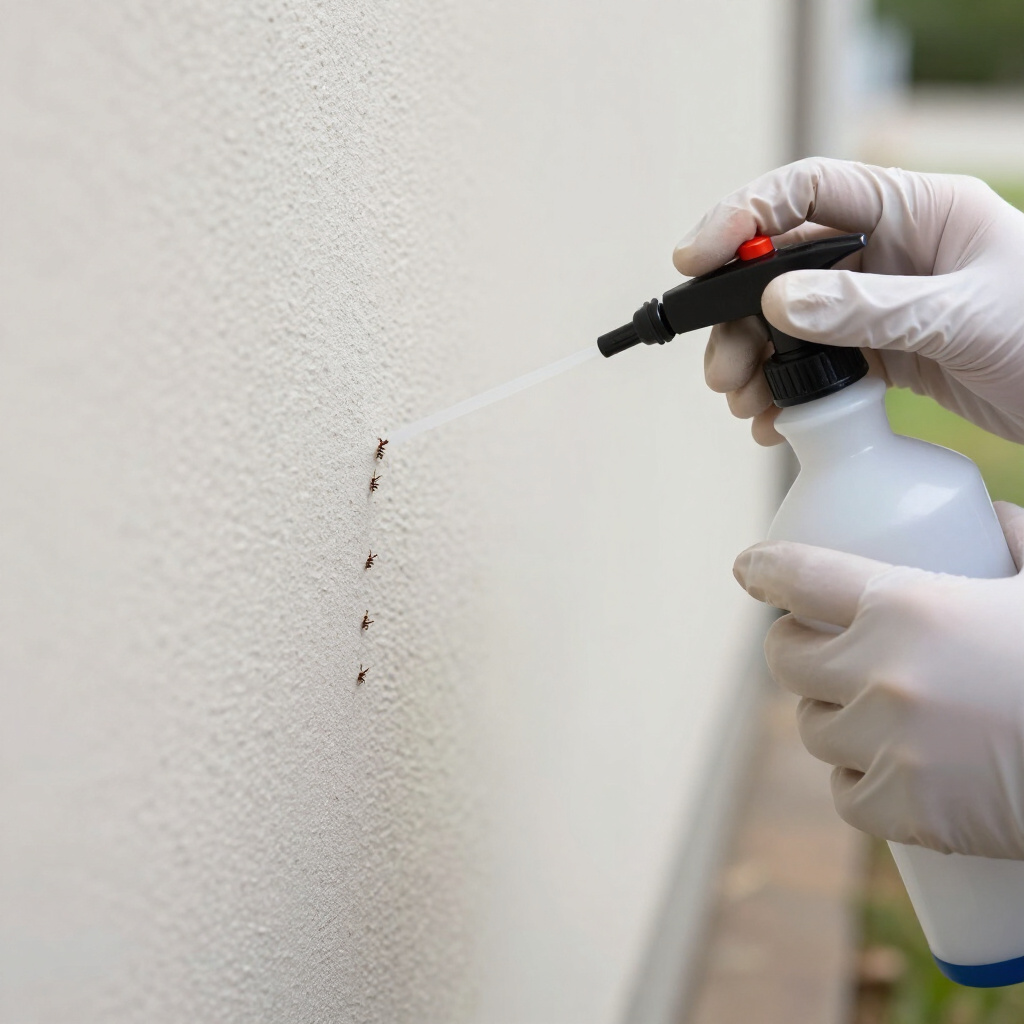
Your kitchen and pantry already contain powerful pest deterrents. White vinegar disrupts the scent trails that ants use to navigate, making it an excellent spray for entry points and countertops. Mix equal parts water and vinegar in a spray bottle for an effective, non-toxic cleaner that doubles as pest prevention.
Diatomaceous earth deserves special attention as a versatile natural pest control method that actually works against a broad spectrum of crawling insects. This fine powder, made from fossilized aquatic organisms, damages the exoskeletons of ants, cockroaches, silverfish, and fleas, causing them to dehydrate. Sprinkle food-grade diatomaceous earth along baseboards, behind appliances, and in dry crawl spaces. Always choose the food-grade variety and wear a mask during application to avoid inhaling the fine dust.
For fruit fly invasions, apple cider vinegar traps prove remarkably effective. Pour a small amount into a bowl, add a drop of dish soap to break surface tension, and cover with plastic wrap poked with tiny holes. The fermentation scent lures fruit flies in, and they cannot escape.
Essential oils offer another layer of defense. Peppermint oil repels spiders and mice when applied to cotton balls placed strategically around your home. Tea tree oil and eucalyptus similarly deter various insects. Remember that essential oils require regular reapplication, as their potency fades faster than synthetic alternatives.
Natural Pest Control Methods That Actually Work in Your Garden
Companion planting represents one of the most elegant natural pest control methods that actually works by leveraging relationships between plants. Marigolds release compounds from their roots that repel nematodes, while their strong scent confuses many above-ground pests. Plant them throughout vegetable beds, especially near tomatoes and squash. Nasturtiums act as trap crops, drawing aphids away from more valuable plants. Basil planted near tomatoes may improve their flavor while repelling flies and mosquitoes.
Beneficial insects serve as your garden's natural defense force. Ladybugs consume aphids, mites, and scale insects at impressive rates. Lacewing larvae are equally voracious, earning them the nickname "aphid lions." Attract these allies by planting dill, fennel, yarrow, and cosmos, which provide nectar and pollen for adult beneficial insects. Avoid broad-spectrum pesticides that kill indiscriminately, as they eliminate the very predators you want to encourage.
Neem oil, derived from the seeds of the neem tree, disrupts the feeding and reproductive cycles of many garden pests including aphids, whiteflies, and caterpillars. Unlike instant-kill chemicals, neem works gradually by interfering with insect hormones. Apply in early morning or evening to avoid harming pollinators, and coat leaf undersides where pests often hide.
Physical barriers complete your garden defense strategy. Floating row covers exclude cabbage worms and flea beetles from brassicas. Copper tape creates a mild electrical charge that deters slugs and snails. Handpicking larger pests like tomato hornworms remains surprisingly practical in smaller gardens, especially during evening hours when they are most active.
Key Tips for Success with Natural Approaches
Natural pest control methods that actually work require a shift in mindset from reactive treatment to proactive prevention. Start by identifying pests correctly—many insects are harmless or beneficial, and misidentification leads to unnecessary intervention. Inspect plants regularly, catching problems before they escalate into infestations demanding stronger measures.
Consistency matters more than intensity with natural solutions. Reapply deterrents after rain, refresh traps weekly, and maintain companion plantings throughout the growing season. A single application of any pest control method, natural or synthetic, rarely solves persistent problems.
Combine multiple strategies for best results. No single method handles every situation, but layered approaches create robust defense systems. In your home, seal entry points while using deterrents and traps. In your garden, integrate companion planting, beneficial insect habitat, physical barriers, and targeted organic treatments.
Patience becomes essential. Natural methods often work more gradually than chemical alternatives, but they build sustainable, self-regulating systems over time. A garden with diverse plantings and healthy insect populations becomes increasingly resilient, requiring less intervention as ecological balance establishes itself.
Finally, maintain realistic expectations. Some crop damage is normal and acceptable—perfect produce is a cosmetic standard, not a nutritional requirement. Tolerating minor pest presence actually supports the beneficial predator populations that provide long-term control.
Final Thoughts
Effective pest management doesn't require a cabinet full of synthetic chemicals. Natural pest control methods that actually work are accessible, affordable, and environmentally responsible. Success comes from understanding your specific pest pressures, applying the right combination of strategies, and committing to consistent practice. Start with one or two methods that address your most pressing concerns, observe results, and expand your natural toolkit from there. Your home, garden, and local ecosystem will all benefit from this gentler, more thoughtful approach to living alongside the small creatures that share our spaces.