


Few things disrupt the comfort of home quite like discovering unwanted guests creeping through your kitchen or scratching behind your walls. Whether you're a new homeowner or have lived in the same house for decades, understanding which pests pose the biggest threat—and how to keep them out—can save you stress, money, and sleepless nights. The good news? Most infestations are entirely preventable with the right knowledge and consistent habits.
Most Common Household Pests and How to Prevent Them
Every region has its share of invaders, but some pests transcend geography to trouble homeowners nationwide. Recognizing these culprits early and understanding their behavior forms your first line of defense.
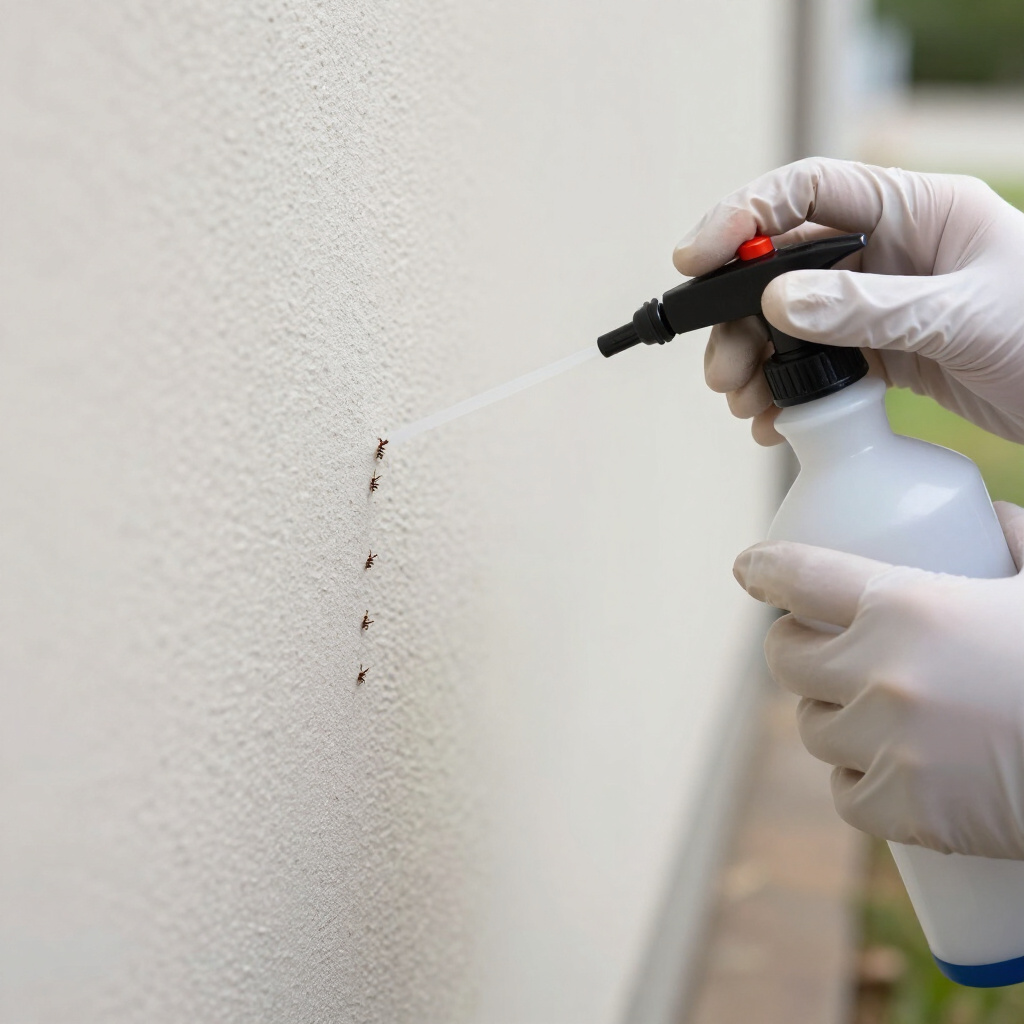
Ants rank among the most pervasive intruders, with colonies containing thousands of workers that forage relentlessly for food. They slip through microscopic cracks, follow scent trails, and once established, become maddeningly persistent. Prevention starts with eliminating the attractions they seek. Store food in airtight containers, wipe down counters immediately after cooking, and address sticky spills on floors. Seal entry points around windows, doors, and utility penetrations with silicone caulk. Outdoors, trim vegetation away from your foundation and relocate mulch at least six inches from siding—these damp, sheltered highways practically invite ants inside.
Cockroaches evoke particular dread, and deservedly so. These nocturnal survivors thrive in warm, humid environments with access to food and water. Beyond the visceral unpleasantness, they can trigger allergies and asthma, particularly in children. Prevention demands vigilance about moisture: repair leaky faucets, run dehumidifiers in basements, and never let dishes soak overnight. Eliminate cardboard clutter, which roaches both consume and inhabit. Regularly clean behind appliances where grease accumulates, and install door sweeps to block their nighttime forays.
Rodents—mice and rats—cause damage far disproportionate to their size. They gnaw through electrical wiring (creating fire hazards), contaminate food stores, and squeeze through impossibly small openings. A mouse needs merely a dime-sized gap; a rat, a quarter. Prevention requires becoming a detective of your home's exterior. Walk the perimeter with sealant and steel wool, paying special attention to where utility lines enter. Inside, store pantry items in glass or thick plastic containers, and maintain tidy landscaping that eliminates ground-level hiding spots. Don't overlook your garage—it's often the staging ground for indoor invasions.
Termites operate invisibly, often causing extensive structural damage before detection. Subterranean varieties build mud tubes from soil to wood; drywood termites need no soil contact and can infest furniture. Prevention focuses on moisture management and wood-to-ground contact elimination. Ensure gutters direct water well away from your foundation. Keep firewood stacked distant from your home, and have a professional inspection annually if you live in high-risk areas. The cost of prevention pales against the expense of structural repairs.
Spiders, while often beneficial predators of other insects, become pests when they proliferate indoors. Their presence typically signals abundant prey. Prevention means addressing the underlying insect population while reducing harborage areas. Declutter storage spaces, shake out clothing before wearing, and use tight-fitting screens. Outdoors, replace standard white bulbs with yellow or sodium vapor lights that attract fewer flying insects—the spider's food source.
Bed bugs represent perhaps the most psychologically taxing infestation, hitchhiking home in luggage, used furniture, or clothing. These resilient pests hide in mattress seams, box springs, and cracks, emerging to feed on sleeping humans. Prevention requires particular caution when traveling: inspect hotel mattresses before settling in, use luggage racks rather than placing bags on floors, and launder all travel clothes in hot water upon return. Never accept secondhand mattresses or upholstered furniture without meticulous inspection.
Seasonal Patterns and Proactive Timing
Pest activity follows predictable rhythms that savvy homeowners anticipate. Spring's warming temperatures awaken dormant colonies—ants begin foraging, termites swarm, and overwintering rodents become more visible. This is your optimal window for exterior inspection and sealing.
Summer brings peak activity for most insects. Mosquitoes breed in standing water, making gutter cleaning and eliminating collected yard water essential weekly tasks. Wasps and hornets establish nests in eaves and sheltered spots; early nest removal prevents dangerous late-summer colony growth.
Fall triggers the critical migration indoors. Rodents seek winter shelter, stink bugs cluster on sun-warmed walls, and overwintering insects like lady beetles and boxelder bugs exploit gaps. Complete your sealing efforts before temperatures drop consistently below fifty degrees.
Winter might seem pest-free, but this perception is deceptive. Indoor populations of cockroaches, rodents, and overwintering insects remain active, often concentrating in warmer areas like kitchens and mechanical rooms. Continue monitoring traps and maintaining sanitation—complacency now allows spring explosions.
Key Prevention Practices That Actually Work
Beyond pest-specific tactics, certain fundamental practices provide universal protection. Think of these as your home's immune system—layered defenses that work synergistically.
Exclusion remains the single most effective strategy. A pest that cannot enter cannot infest. This means more than casual caulking; it requires systematic inspection of your home's envelope. Check weatherstripping annually, repair torn screens promptly, and install fine mesh over attic vents. Don't forget the garage door—its seal often degrades unnoticed, creating a broad entry portal.
Sanitation eliminates the resources that sustain pests. Develop kitchen habits: immediate counter wiping, nightly floor sweeping, and regular appliance cleaning. Manage waste meticulously—use cans with tight lids, keep outdoor bins away from doors, and clean them seasonally to remove residue. Even pet food becomes a banquet; feed at scheduled times and store kibble in sealed containers.
Moisture control addresses a fundamental pest requirement. Address leaks within twenty-four hours, maintain bathroom ventilation, and ensure your crawlspace has adequate vapor barrier and ventilation. Consider a whole-home dehumidifier in humid climates—comfort for you, inhospitality for pests.
Landscaping discipline creates buffer zones. Maintain a twelve-inch gravel barrier between foundation and mulch or soil. Prune branches that overhang or touch your roof, eliminating arboreal highways for rodents and ants. Keep firewood elevated and distant, and avoid dense plantings immediately adjacent to walls.
Professional partnership provides expertise beyond homeowner capability. Annual inspections by qualified pest management professionals can identify developing issues before they become crises. For termite-prone regions, this isn't optional—it's essential home maintenance. The best professionals don't merely treat; they educate, helping you understand your property's specific vulnerabilities.
Final Thoughts
Effective pest prevention isn't about achieving an impossible sterility—it's about making your home unappealing to invaders while maintaining the warmth and comfort you cherish. The habits that prevent pests largely overlap with those that create a healthy, pleasant living environment: cleanliness, diligent maintenance, and thoughtful attention to your home's condition.
Start with one thorough inspection this weekend. Walk your perimeter with fresh eyes. Identify three improvements you can implement immediately. Small, consistent efforts compound into reliable protection, sparing you the disruption, expense, and distress of full-blown infestations. Your home deserves that vigilance, and so does your peace of mind.