
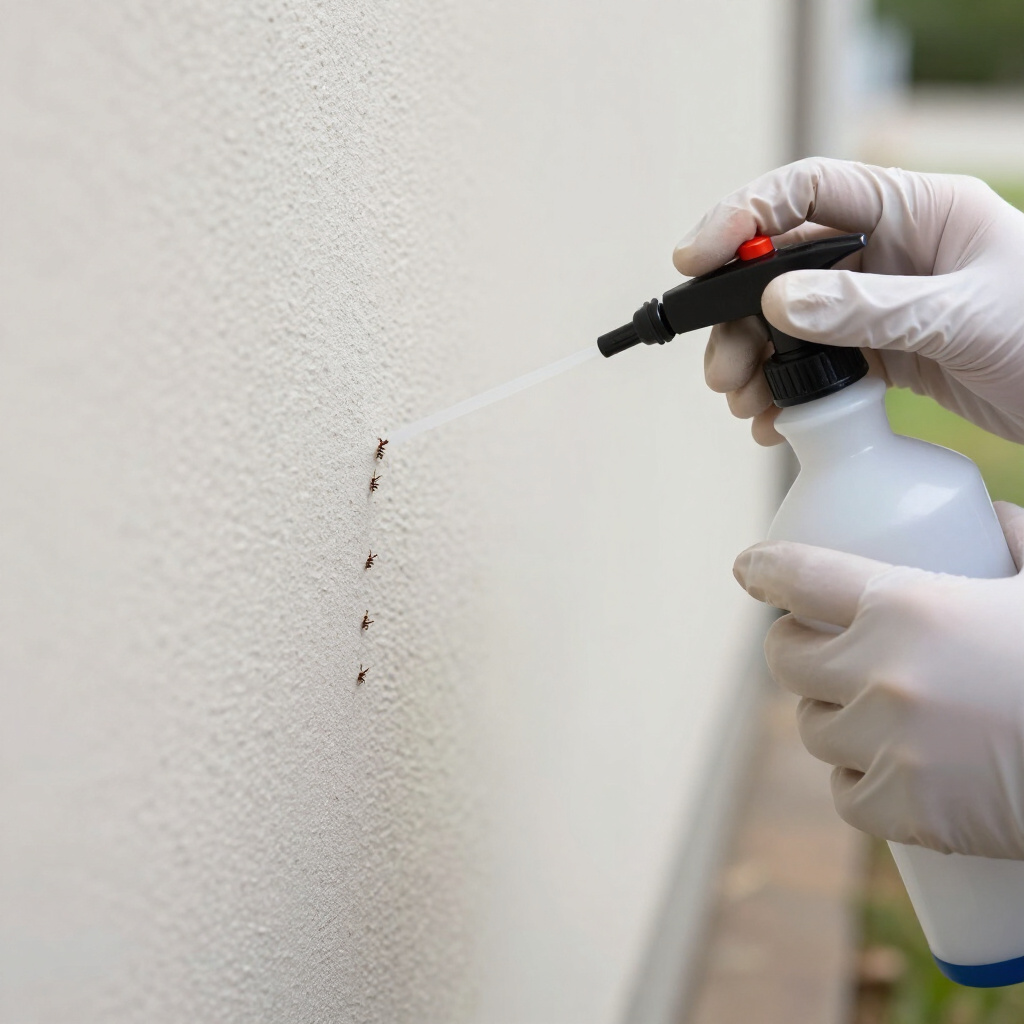


There is nothing quite like the sinking feeling of spotting a line of ants marching across your kitchen counter. One day your home feels peaceful, and the next, you are watching tiny invaders swarm around a crumb you did not even know existed. The good news? Preventing ants from invading your home is absolutely possible with a few smart, consistent habits. You do not need harsh chemicals or expensive gadgets—just a clear understanding of what attracts ants and how to shut down their access. Let us walk through the most effective ways to keep your home ant-free, from the ground up.
How to Prevent Ants From Invading Your Home Through Better Food Storage
Ants are relentless foragers, and your kitchen is their favorite destination. The single biggest draw for ants is accessible food, particularly anything sweet or greasy. If you want to stop an infestation before it starts, rethink how you store everything edible in your home.
Start by transferring pantry staples like sugar, flour, cereal, and pet food into airtight containers. Glass jars with rubber seals or heavy-duty plastic bins work beautifully. Ants can squeeze through surprisingly small gaps, so flimsy packaging or rolled-up bags are invitations to feast. Do not forget about your fruit bowl—overripe bananas and peaches emit strong odors that ants detect from impressive distances. Keep fruit refrigerated when possible, or consume it quickly.
Pet owners, take note: your furry friend's kibble is a major ant magnet. Avoid leaving pet food out overnight, and consider elevating bowls slightly. Clean up any spills immediately, and store large bags of pet food in sealed containers just like your own groceries. Small changes in food storage create a powerful first line of defense against hungry ant colonies.
Eliminate the Hidden Water Sources Ants Need
While ants are famous for seeking food, they cannot survive without water. Damp environments sustain entire colonies, and your home likely has more moisture than you realize. Addressing this often-overlooked factor dramatically reduces your appeal to ants.
Begin in the kitchen and bathrooms. Fix leaky faucets, tighten loose pipe connections, and replace worn washers promptly. Wipe down sinks and counters thoroughly after use, paying special attention to the areas around dish racks and soap dispensers where water pools. In bathrooms, check behind toilets and under sinks for slow drips that create perpetually moist conditions.
Basements, crawl spaces, and laundry rooms deserve equal attention. Use a dehumidifier in musty areas to keep humidity levels down. Ensure your gutters direct water away from your foundation, and grade landscaping so rainwater flows outward rather than seeping toward your home. Even condensation on cold water pipes can attract ants, so consider insulating pipes in humid climates. A dry home is far less hospitable to ants searching for a place to establish their trails.
Seal Entry Points and Disrupt Ant Trails
Ants are masterful at finding their way inside. A crack no wider than a pencil lead can serve as a highway for hundreds of workers. To prevent ants from invading your home, you must become a detective in your own space, identifying and sealing every possible entrance.
Conduct a thorough perimeter inspection. Examine window frames, door thresholds, utility penetrations, and foundation cracks. Caulk gaps around pipes, wires, and cables entering your home. Install door sweeps on exterior doors, and repair damaged window screens. Do not ignore the spaces where siding meets brick or where chimneys penetrate your roofline—these transition points often develop hidden openings.
Inside, watch for ant trails and act quickly. When you spot scouts wandering, wipe down the entire path with soapy water or a vinegar solution. This removes the pheromone trail that guides other ants to the same location. Do not simply kill the visible ants and move on; the scent remains, attracting replacements within hours. Cleaning the trail thoroughly interrupts communication and confuses the colony.
Key Tips for Maintaining an Ant-Resistant Home
Beyond the major strategies above, several smaller habits compound your protection against ant invasions. Think of these as your maintenance routine—the consistent practices that keep defenses strong year-round.
Take your garbage out frequently, and use bins with tight-fitting lids. Rinse recyclable containers before tossing them, as sticky residue from soda cans or juice bottles is irresistible to ants. Sweep and vacuum regularly, especially under appliances where crumbs accumulate unnoticed. Move your refrigerator and stove seasonally to clean beneath them thoroughly.
Be strategic with your landscaping. Trim tree branches and shrubs so they do not touch your home's exterior—ants use these as bridges to bypass ground-level barriers. Keep mulch and decorative rock several inches away from your foundation, as these materials retain moisture and shelter ants close to entry points. Consider creating a dry, vegetation-free zone immediately adjacent to your home's base.
If you enjoy gardening, manage aphid populations on ornamental plants. Ants cultivate aphids for their honeydew secretion, so ant activity near your garden often signals a partnership you will want to break up. A blast of water or insecticidal soap on affected plants reduces this attraction.
For persistent problems, bait stations can be effective when used correctly. Place them along active ant trails, not randomly around your home. Resist the urge to spray visible ants with repellent insecticides when using baits—you want workers alive long enough to carry the bait back to their colony and share it with the queen.
Final Thoughts
Preventing ants from invading your home comes down to removing what they want and blocking how they get in. No single tactic works alone, but together—proper food storage, moisture control, entry point sealing, and diligent cleaning—they create an environment where ants simply cannot thrive. The effort you invest in these habits pays off in peaceful mornings without surprise visitors on your countertops. Stay consistent, stay observant, and your home will remain the sanctuary it should be—completely ant-free.