

There's something unsettling about walking into a room and spotting a spider dangling in the corner—or worse, scrambling across your floor. While most household spiders are harmless and even helpful at controlling other insects, that doesn't mean you want them setting up camp in your living space. The good news? Keeping spiders out of your house is entirely achievable with a few targeted strategies that address why they're coming inside in the first place.
How to Keep Spiders Out of Your House by Sealing Entry Points
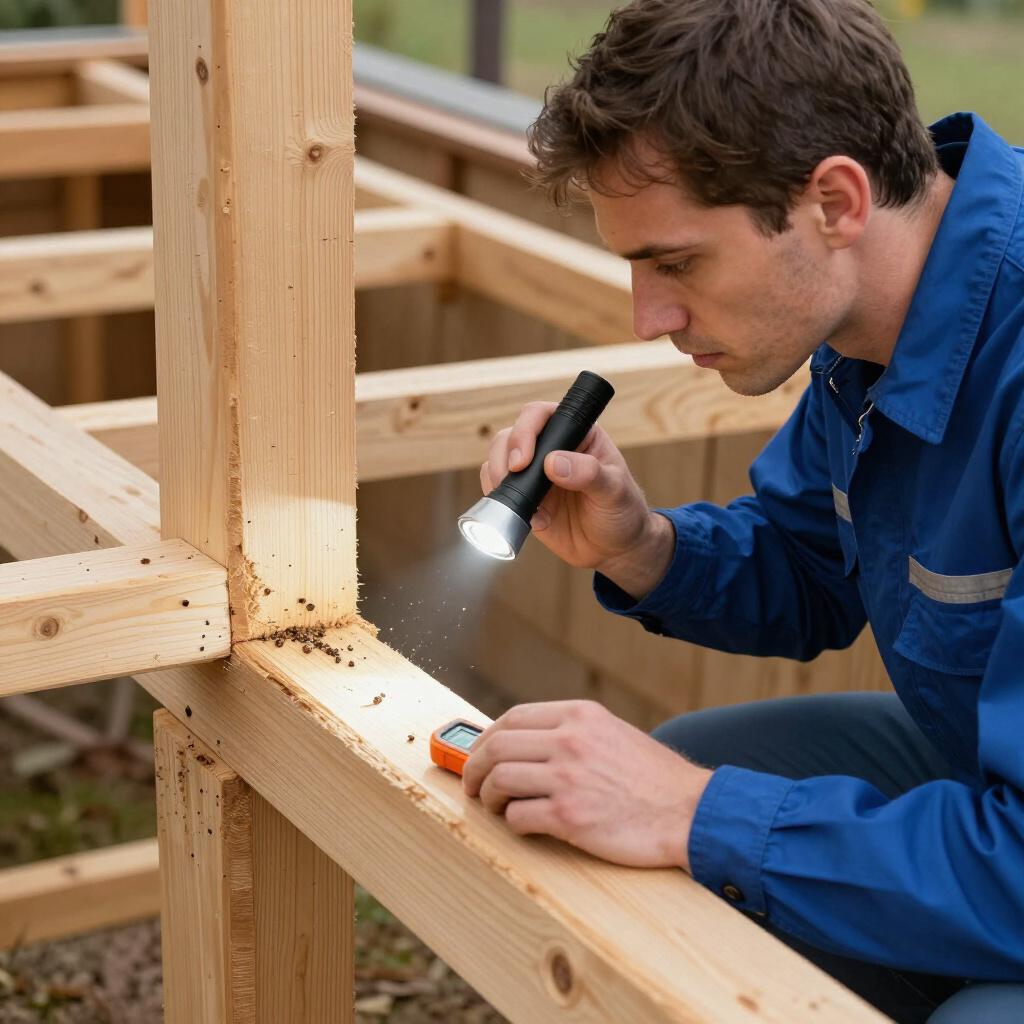
Spiders are master contortionists, capable of squeezing through gaps you'd barely notice. The most effective long-term solution starts with making your home physically inaccessible to them. Begin with a thorough perimeter inspection, paying special attention to the foundation, window frames, door sweeps, and where utility lines enter your home.
Apply weatherstripping around doors and windows, and don't overlook the garage door—it's a massive entry point that often goes unaddressed. Use silicone caulk for cracks in the foundation, gaps around pipes, and spaces between siding and trim. For larger openings around vents or chimneys, install fine mesh screens with holes no larger than 1/16 inch. Even tiny gaps under baseboards or around electrical outlets can serve as spider highways, so seal these with appropriate materials.
Remember that sealing benefits extend beyond spider control. You're also blocking ants, flies, roaches, and other pests that spiders feed on. Eliminate their food source, and you eliminate a major reason spiders enter in the first place.
Reduce the Conditions That Attract Spiders
Spiders need three things to thrive: shelter, moisture, and food. Your goal is to make your home inhospitable on all three fronts. Start with clutter reduction—spiders love undisturbed piles of cardboard boxes, stacked firewood, old newspapers, and clothing in dark corners. The less hiding real estate you provide, the less appealing your home becomes.
Moisture control is equally critical. Spiders gravitate toward damp environments, so address leaky faucets, running toilets, and condensation issues. Use dehumidifiers in basements and crawl spaces, ensuring humidity stays below 50 percent. Improve ventilation in bathrooms and attics, and never let standing water accumulate anywhere inside or immediately outside your home.
Outdoor maintenance directly impacts indoor spider activity. Trim vegetation, shrubs, and tree branches so nothing touches your home's exterior—spiders use these as bridges. Move firewood piles, compost bins, and rock piles at least twenty feet from your foundation. Keep gutters clean and functioning; clogged gutters create exactly the damp, debris-filled environment spiders prefer.
Lighting deserves special mention. Outdoor lights attract flying insects, which attract hunting spiders. Switch to yellow "bug lights" or sodium vapor bulbs that are less attractive to insects, or position lights to illuminate your yard from a distance rather than mounting them directly on your house.
Key Tips for Ongoing Spider Prevention
Consistency transforms occasional efforts into lasting protection. Make these practices part of your regular home maintenance routine:
Clean strategically and frequently. Vacuum thoroughly and regularly, targeting corners, behind furniture, under appliances, and ceiling junctions where webs typically appear. Immediately dispose of vacuum bags or canister contents outside. Dust with microfiber cloths rather than feather dusters, which can inadvertently spread spider eggs.
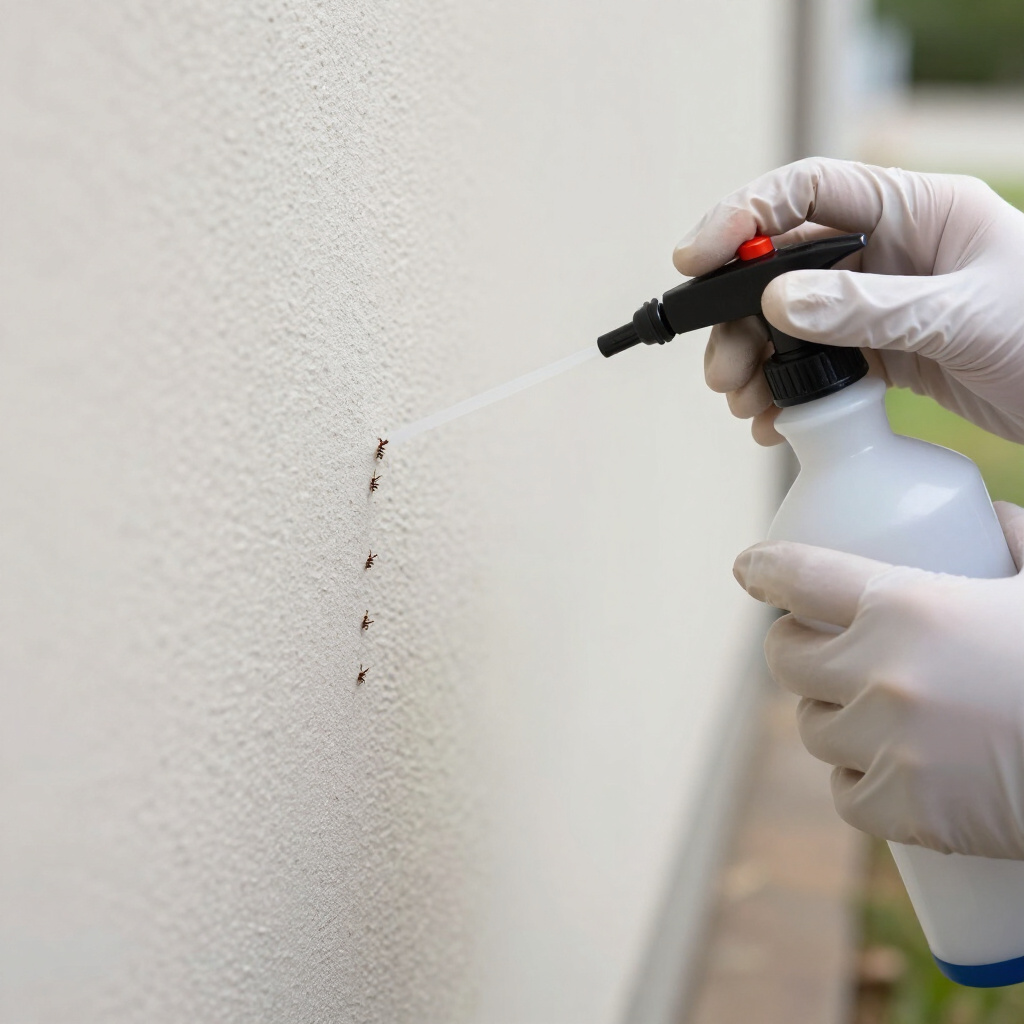
Deploy natural deterrents wisely. While no natural solution matches professional treatment strength, certain options provide modest supplementary benefit. Essential oils like peppermint, tea tree, and eucalyptus diluted in water can be sprayed along baseboards and entry points—the strong scents may discourage spiders without harming them. Diatomaceous earth sprinkled in dry, undisturbed areas can affect crawling insects, reducing spider food sources. Vinegar solutions work similarly on surfaces but require frequent reapplication.
Maintain vigilance with seasonal awareness. Spider activity increases in late summer and fall as outdoor temperatures drop and mature spiders seek mates. This is when your prevention efforts matter most. Conversely, spring brings egg hatching—another critical window for proactive measures.
Address other pest problems promptly. A spider infestation often signals an underlying insect issue. If you're seeing numerous spiders despite your efforts, investigate whether you're also hosting ants, flies, moths, or other prey species that need professional elimination.
Know when to call professionals. DIY methods handle most prevention needs, but established infestations—especially involving venomous species like black widows or brown recluses—warrant expert intervention. Professionals can identify species, locate hidden harborages, apply targeted treatments, and establish perimeter barriers that residual products provide.
Final Thoughts
How to keep spiders out of your house successfully combines physical exclusion, environmental modification, and consistent maintenance. No single tactic delivers complete protection, but layering these approaches creates formidable defense. Start with sealing entry points, eliminate the conditions that attract spiders and their prey, then maintain your efforts through regular cleaning and seasonal awareness.
The spiders you're most likely to encounter indoors—house spiders, cellar spiders, and wolf spiders—pose minimal health risks and actually contribute to ecosystem balance. Your objective isn't total eradication, which is neither practical nor ecologically desirable, but rather keeping populations low enough that encounters become rare. With patient, systematic attention to the strategies outlined here, you can reclaim your comfortable, spider-minimal living space without resorting to constant chemical treatments or living with unwanted eight-legged roommates.